See Ahead
✦
Stay Ahead
Logistics:
It’s a Kill Chain
[ Thesis Part II ]
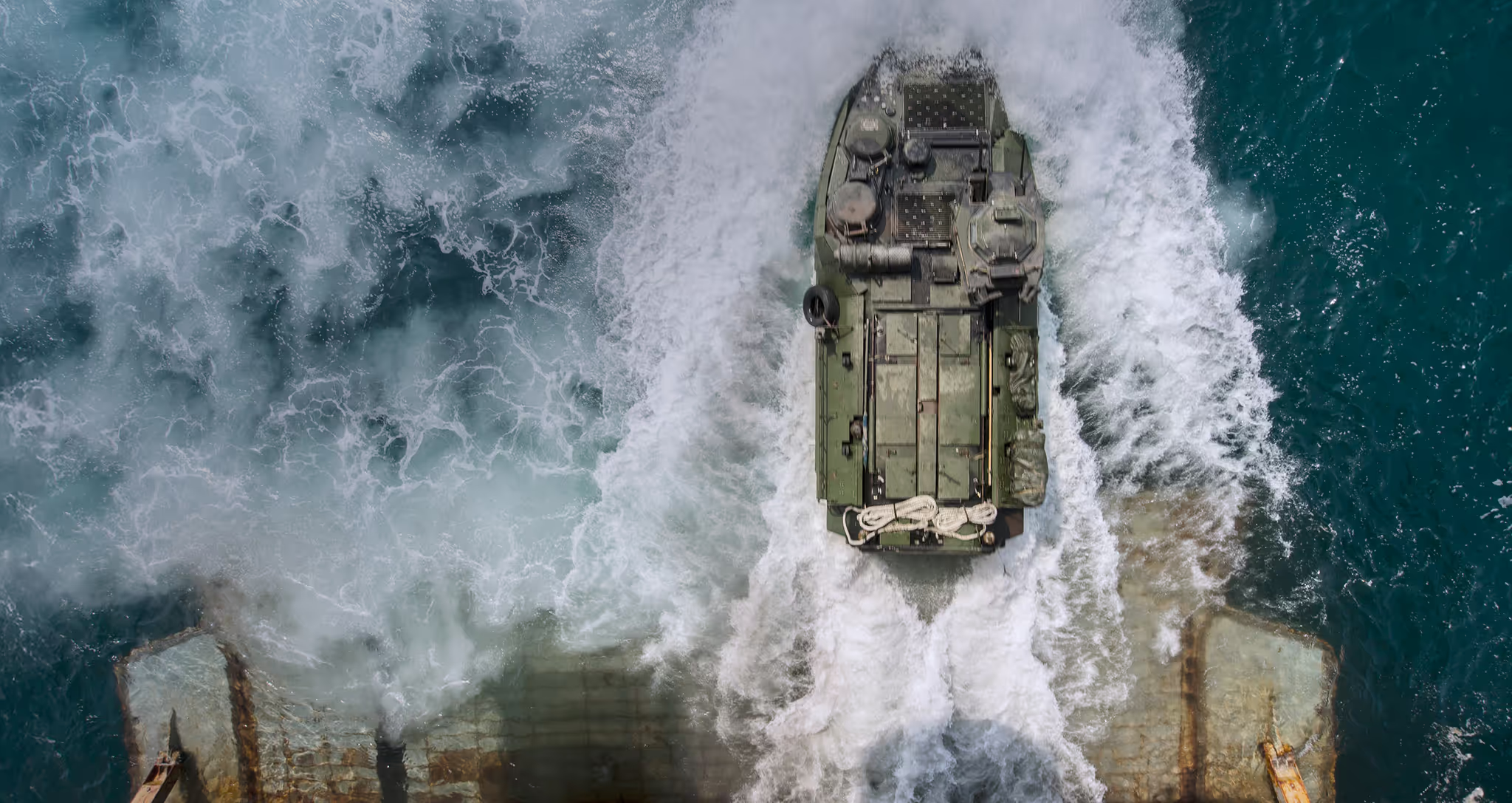
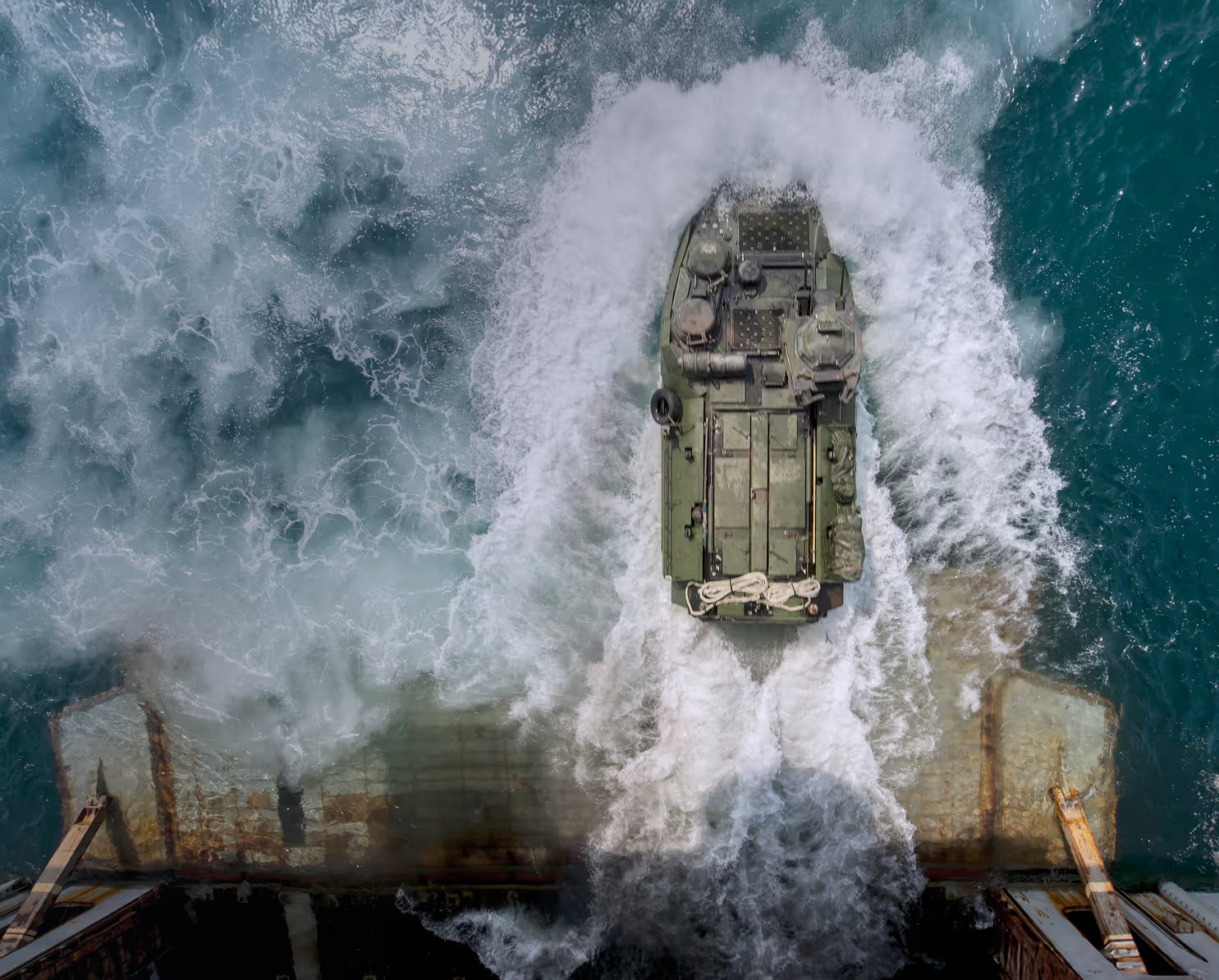
For decades, the U.S. military has rightly focused on compressing decision cycles in combat. We refined how we find, fix, track, target, engage, and assess adversaries. We built doctrine, systems, and organizations around this reality. Speed and integration became decisive advantages.
But there is a parallel truth that modern conflict is making impossible to ignore: Logistics now operates on the same battlefield, and under the same pressure, as fires and maneuver.
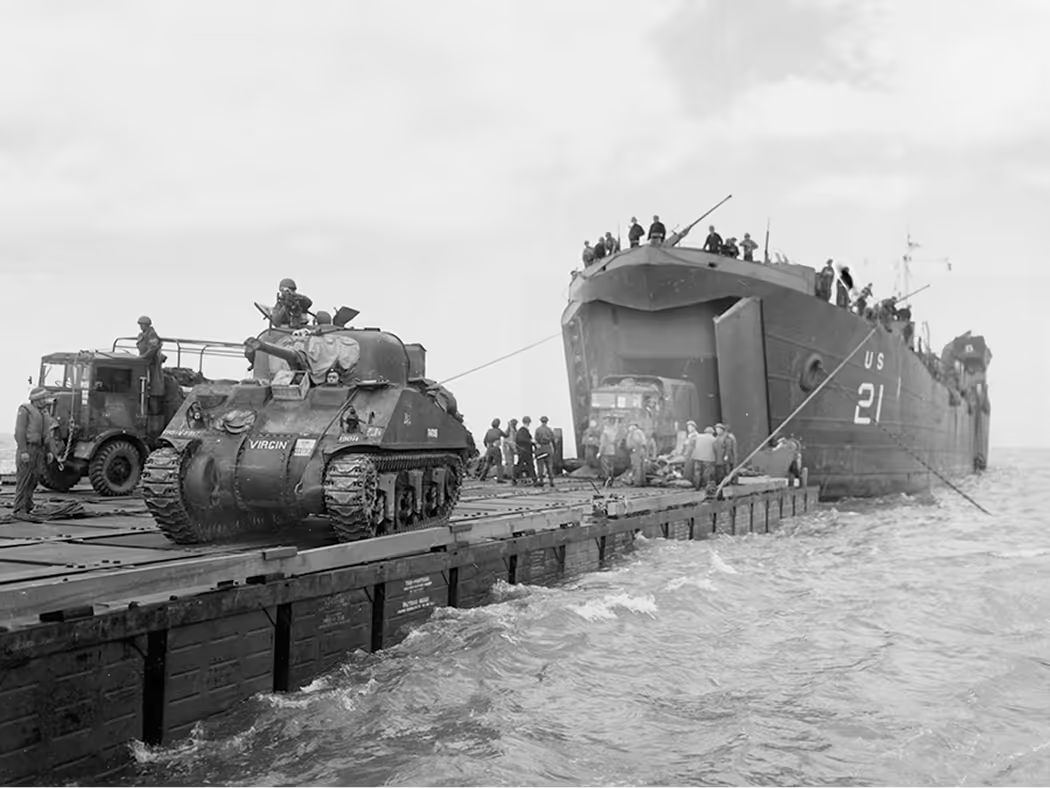
In an era of great power competition, adversaries are not just targeting forces. They are targeting the systems that move, sustain, and enable those forces. Ports, airfields, fuel networks, transportation routes, data pathways, and distribution nodes are no longer benign back-office functions. They are contested, surveilled, disrupted, and attacked; physically, cyber, and cognitively.
Yet we still tend to talk about logistics as something to endure, not something to operate. That framing is no longer sufficient.
■
The Limitations of “Contested Logistics”
The contested logistics construct has become a default label for sustainment challenges in modern conflict, but it is frequently applied as an umbrella concept rather than a decision framework. It describes what makes logistics hard, particularly in denied and degraded environments. But as a decision framework, it inherently falls short.
Contested logistics emphasizes passive resilience rather than proactive orchestration; planning and preparation rather than predictive decision advantage; and a support function reacting to operations instead of shaping them.
It describes the problem space, but not the operational solution.
What’s missing is a construct that treats logistics friction (i.e, delays, shortages, congestion, disrupted routes) not as inevitable costs of war, but as variables that can be detected, prioritized, and mitigated at machine speed.
That construct already exists in another domain.
The Logistics Kill Chain
At ASI, we deliver solutions that transform logistics into a parallel kill chain: one that operates alongside, and in constant interaction with, the traditional kinetic kill chain.
This is the Logistics Kill Chain.
If adversaries seek advantage by targeting our sustainment, then we must seek advantage by finding, fixing, tracking, targeting, engaging, and assessing logistics friction faster than it can degrade operations. In this model, port congestion becomes a detectable target. A fuel shortfall becomes a forecastable vulnerability. A disrupted transportation route becomes a mitigable constraint. Sustainment decisions inform operational targeting and are informed by it.
This is not about weaponizing logistics. It is about operationalizing it.
✦
Doctrinally Aligned, Operationally Necessary
The Logistics Kill Chain is not a break from doctrine. It is a logical extension of it.
Joint doctrine already emphasizes distribution as an operational function (JP 4-0, JP 4-09), the importance of integration across components and echelons, and the need to operate under denial in concepts like Agile Combat Employment (ACE) and Distributed Maritime Operations (DMO).
What doctrine has struggled to articulate is how to compress the sustainment decision cycle in the same way we compress decision cycles for other war-fighting functions.
The Logistics Kill Chain adapts the venerable F2T2EA framework to sustainment. Find logistics risks through data fusion and predictive modeling; fix them with precision across global and theater contexts; track assets and nodes continuously, even across seams; target mitigations that generate operational effect; engage through coordinated distribution and allocation actions; and assess outcomes to drive rapid dynamic re-optimization.
The result is logistics that moves at the speed of operations…not after them.

Friction Isn’t Distance. It’s Seams.
In practice, logistics doesn’t fail because of distance, scale, or lack of effort. It fails at boundaries.
It fails between organizations, authorities, services, coalition partners, and commercial carriers. It fails due to disconnected systems, incompatible data models, and disparate security domains. It fails to span modes (air, sea, surface) and theater distribution networks.
No single organization owns the end-to-end picture. Tracking breaks. Context is lost. Decisions slow down. These seams are not just inherent inconveniences, they are operational vulnerabilities.
■
Joint Sustainment Synchronization Layer as an Enabling Capability
This is where ASI’s AI-enabled decision support becomes decisive and critical.
Our focus has always been enabling decision advantage in complex, dynamic, fast-paced environments from commercial aviation to global air mobility. The same technical capabilities that allow us to model, simulate, and optimize air traffic at scale are now essential for joint, multi-modal distribution and sustainment.
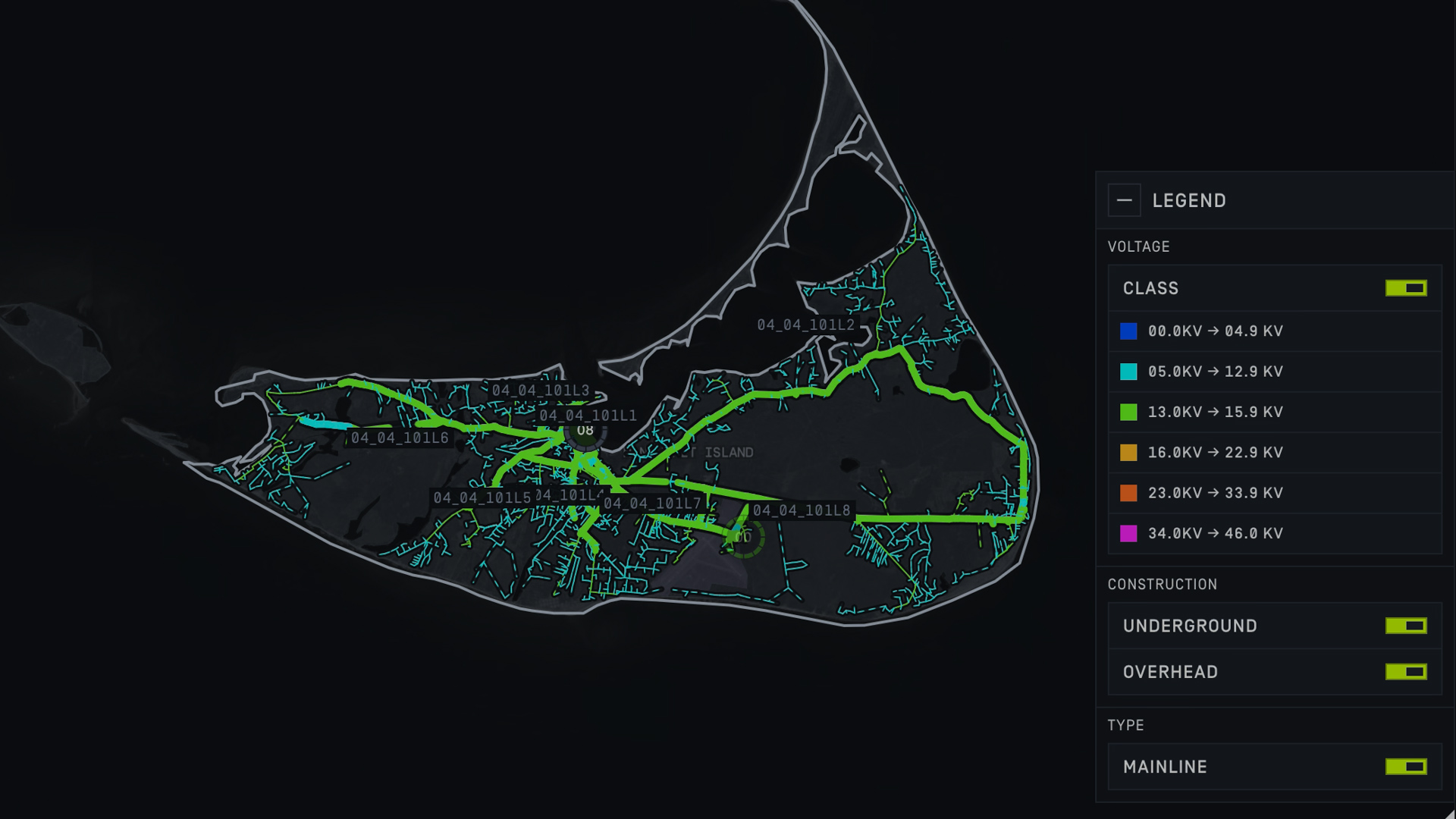
ASI’s tools facilitate a critically needed synchronization capability for joint sustainment, one that correlates disparate data across organizations and domains, preserves continuity of identity, custody, and intent as assets and requirements cross command and system boundaries, and enables boundary-spanning tracking even in disconnected, denied, or degraded environments.
By delivering predictive, role-specific decision support to commanders, planners, and operators, this capability compresses sustainment decision cycles and makes logistics executable as a kill chain, where emerging constraints can be found, fixed, tracked, targeted, engaged, and assessed as part of a unified, proactive sustainment decision process that informs and is informed by operational maneuver and force projection.

Kill Chains Need Kill Webs
But integrating across boundaries is not enough. Supporting flexible temporal frameworks, distributed sensing, multi-path execution, and rapid tasking and re-tasking are not future aspirations; they are requirements for operating under denial today. Modern operations are distributed, resilient, and adaptive. Logistics must be the same. By designing logistics systems and solutions that behave like kill webs, we preserve doctrinal alignment while enabling the flexibility demanded by JADC2, ACE, and future joint operations.
The Logistics Kill Chain is the operational construct (the what). Kill-web characteristics are the enabling architecture (the how).
✦
Logistics: Source of Operational Advantage
In a peer fight, the side that wins will not simply have better shooters. It will have faster, smarter sustainment and distribution decisions.The Logistics Kill Chain reframes logistics from “a constraint to be managed” into an advantage to be exploited.
When sustainment friction is detected early, mitigated dynamically, and synchronized with operations, commanders gain freedom of action. Tempo increases. Risk decreases. Options expand.
That is not support. That is operational power.

.png)